

The non-renewability, environmental issues and health risks connected with the fossil fuels has actually resulted in expedition of alternative sources of energy to substitute the conventional ones. An appealing technology, still in its infancy, that might show us the way to the future ahead is Biodiesels. Biodiesels are diesel fuels obtained from vegetable oil or animal-fat that might be utilized to run diesel motors. Vegetables oils like sunflower, rape seed, palm oil, soya bean, Jatropha etc can be subjected to oil processing to produce biodiesels. It includes no petroleum but can be mixed with petroleum diesel for usage or could be used in its pure kind.

Developed nations especially United States and European Countries have currently made substantial advances in the Biodiesel Technology. Biodiesel have found its use across markets and verticals and could become an ideal cleaner and more affordable option to fuel, diesel and nonrenewable fuel sources. India has actually likewise begun checking out the opportunities to produce and use bio-diesel. A number of plants for biodiesel transesterification are already operating in the nation where veggie oils are reacted with alcohols (ethanol or methanol typically) to produce bio-diesel.
The main reason for the increasing need for biodiesels is the reality that biodiesels are renewable and carbon-neutral, thus having no net effect on the environment. Besides, bio-diesel operates in compression engines similar to regular petroleum diesel and for this reason can be utilized with little or no engine modifications. Biodiesel do not require any separate facilities for its storage and can be stored similar to the petroleum based fuels.
Considering the growing energy demand in the country, rising petroleum prices and the environmental threats of nonrenewable fuel sources, the Indian Government has used up initiatives to develop the Bio Diesel Technology in India and established more oil processing systems. The Government revealed its 'National Biofuel Policy' on 12 September 2008 which aims to meet 20% of India's diesel demand with bio-fuels in the coming years.
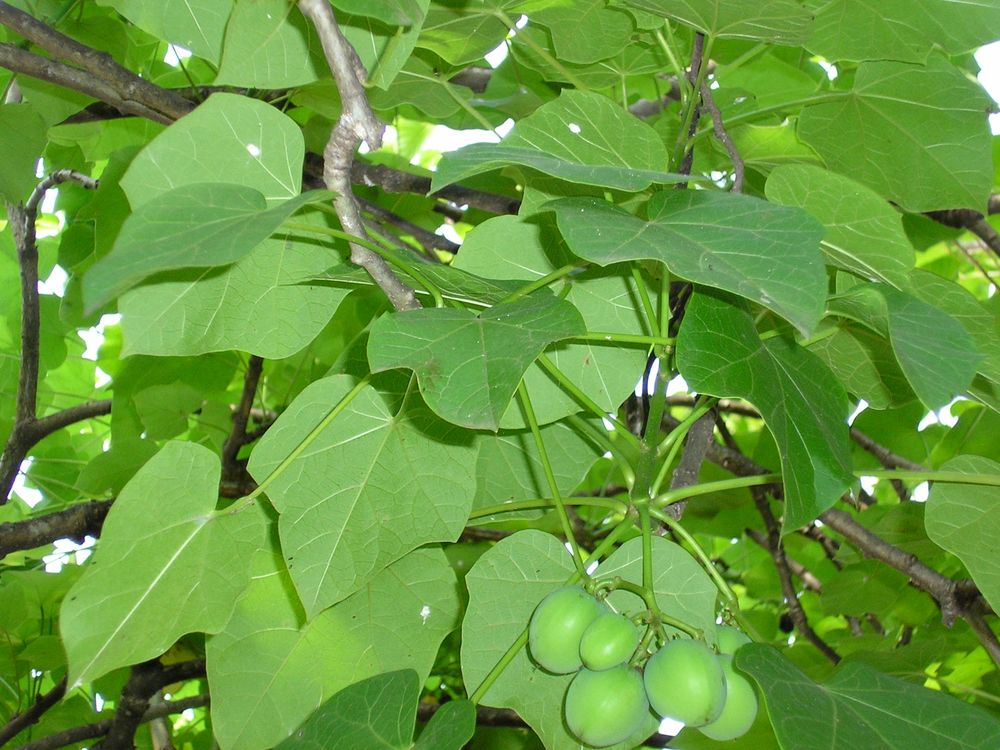
Globally, edible veggie oils like sunflower, soya bean, rape seed, palm oil are utilized as the pre-dominant raw materials for oil processing and biodiesel production but in India the maximum potential to produce biodiesels is from Jatropha oil - a non-edible one produced from the seeds of the Jatropha curcas. The most significant advantage of using Jatropha as a raw product is that this plant can be grown in substantial quantities in wastelands all across India needing really little water in contrast to other money crops. Once grown, the plant has a helpful life expectancy of a number of decades. The Jatropha seeds consist of 40% oil and are considered to be an excellent source of bio-diesel. The Government of India has actually recognized 400,000 square kilometres of land suitable for the Jatropha growing in the nation. India now
A research study approximates that even if a mixing effort of 2% Jatropha based Biodiesel is accomplished in 2011-12, India will save around Rs. 3000 crores. Besides, it will generate around Rs. 5500 crores in the rural economy and help in reduction of Green House Gas emission by 3 Million Metric Tonnes (MMT) every year. The government is taking actions to encourage the growing of Jatropha in India offering complimentary seeds, subsidized loans and other centers. India requires to now enhance its efforts to make the maximum use of the Biodiesel Technology. Besides Jatropha, the avenues for drawing out biodiesel from veggie oils, fats, sunflower, rape seed oil and palm oil need to also be checked out. It will not just supply a response to the obstacle of Global Warming however might reduce our dependence on foreign oil and add to our own economy.